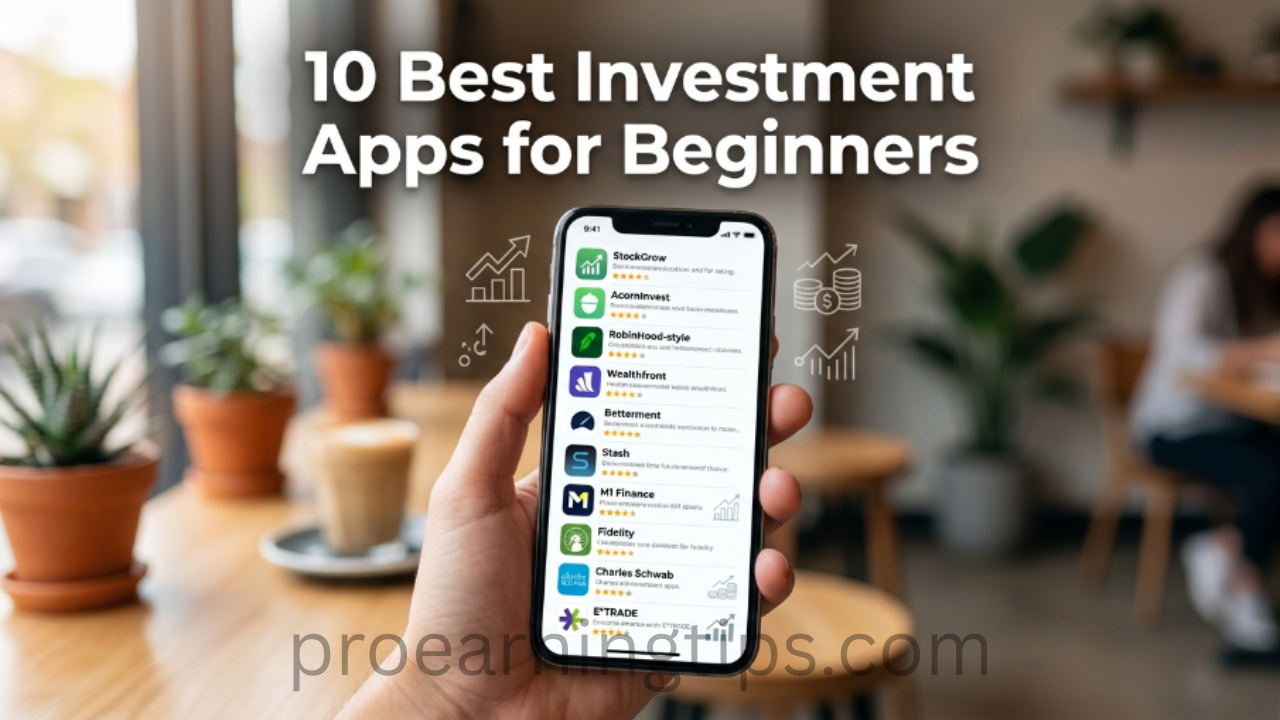
Investing no longer requires thousands of dollars or years of financial experience. Today’s best investment apps for beginners make buying Stocks, ETFs, Cryptocurrency, and other assets easier than ever. Whether your goal is building long-term wealth or simply learning how markets work, the right app can help you start with confidence.
Many modern platforms now offer Commission-Free Trading, beginner-friendly interfaces, and powerful Educational Resources. You can create a diversified Investment Portfolio, monitor performance through Portfolio Tracking, and even automate your savings using Auto Investing features. Choosing the right app isn’t only about low costs. It also means finding a platform that matches your experience, financial goals, and preferred investing style.
Quick Comparison of the Best Investment Apps
Choosing between dozens of investing platforms can feel overwhelming. Some apps focus on Stock Market Investing, while others specialize in Cryptocurrency Investing or long-term retirement planning. The comparison below highlights the most important differences so you can quickly identify the platform that best fits your needs.
| Investment App | Best For | Commission | Minimum Investment | Supports Crypto | Best Feature |
| Robinhood | Beginners | Zero Commission | $1 | Yes | Simple interface |
| eToro | Social investing | Commission-Free Stocks | $10+ | Yes | Copy Trading |
| Trading 212 | Long-term investors | Commission-Free Trading | $1 | Limited | Fractional Shares |
| Fidelity | Retirement investing | $0 Stock Trades | $0 | No | Research & retirement tools |
| Charles Schwab | Full-service investing | $0 Stock Trades | $0 | No | Excellent customer support |
| Webull | Active traders | $0 Stock Trades | $0 | Limited | Advanced charts |
| SoFi Invest | New investors | $0 Stock Trades | $1 | Yes | Automated investing |
| Public | Community investing | $0 Stock Trades | $1 | Yes | Social investing |
| Moomoo | Market analysis | $0 Stock Trades | $0 | Limited | Advanced Trading Tools |
| Interactive Brokers | Experienced investors | Low-cost trading | $0 | Limited | Global market access |
The best investment app depends on more than attractive pricing. Features such as Real-Time Market Data, Portfolio Analytics, Research Tools, and reliable customer support often have a greater impact on your long-term investing experience than saving a few dollars in fees.
How We Selected the Best Investment Apps
Hundreds of investment apps compete for attention, yet only a handful consistently deliver value for beginners. Every platform included in this guide was evaluated based on ease of use, security, pricing transparency, asset variety, customer experience, and long-term reliability. Special attention was given to apps that simplify Stock Investing without sacrificing powerful features.
Several additional factors influenced the rankings, including Low Fees, Trading Fees, Account Fees, Withdrawal Fees, account security, regulatory compliance, Investment Education, mobile usability, and available investment products. Platforms offering Fractional Investing, Recurring Deposits, Automated Investing, Paper Trading, Watchlist, Price Alerts, and comprehensive Market News received higher scores because these features help beginners build confidence while creating a successful Investment Strategy.
10 Best Investment Apps for Beginners in 2026
Choosing the best investment apps for beginners depends on your experience, financial goals, and preferred assets. Some platforms focus on Stock Market Investing, while others specialize in Cryptocurrency Investing, retirement planning, or ETF Investing. The apps below stand out because they offer beginner-friendly features, transparent pricing, and reliable performance for U.S. investors.
Whether you want to build a long-term Investment Portfolio, practice Passive Investing, or explore Active Trading, these investment apps provide the tools needed to start with confidence. Each platform offers unique strengths, making it easier to match your investing style with the right brokerage.
Robinhood
Robinhood remains one of the most popular choices for first-time investors because of its clean design and Commission-Free Trading model. The platform allows you to buy Stocks, ETFs, Options, and Cryptocurrency without paying trading commissions. Beginners appreciate the simple account setup, easy navigation, and support for Fractional Shares, making it possible to start Stock Investing with just a few dollars.
eToro
eToro stands out because it combines traditional investing with social networking. Instead of investing alone, you can watch experienced traders and even copy their strategies through the platform’s CopyTrader feature. Besides offering Stocks, ETFs, Bitcoin, Ethereum, and other Digital Assets, eToro provides excellent Educational Resources that help beginners understand market trends before investing.
Trading 212
Trading 212 is widely recognized for offering Zero Commission investing while keeping its interface simple and beginner-friendly. Investors can purchase Stocks, ETFs, and Fractional Shares with very little capital, making it an excellent platform for anyone starting their Investment Strategy. Helpful portfolio insights and low costs make it especially attractive for long-term investors.
Fidelity
Fidelity has earned a strong reputation through decades of reliable service and outstanding customer support. The platform offers commission-free trading on Stocks, ETFs, and Mutual Funds, along with detailed Research Tools that help investors make informed decisions. Its retirement accounts, financial calculators, and educational library make Fidelity one of the strongest choices for serious Long-Term Investing.
Charles Schwab
Charles Schwab combines professional investment services with one of the easiest trading platforms available today. Investors gain access to Stocks, ETFs, Mutual Funds, Bonds, and retirement accounts while benefiting from advanced Portfolio Analytics and market research. Its trusted reputation and strong customer service make it an excellent brokerage for beginners planning steady Capital Growth.
Webull
Webull offers far more advanced features than many beginner platforms while remaining completely free for stock trading. Investors receive professional-quality charts, Real-Time Market Data, customizable Watchlist tools, and detailed technical indicators. Those interested in Day Trading, Stock Market Investing, or technical analysis often choose Webull because it grows alongside their investing experience.
SoFi Invest
SoFi Invest focuses on making investing simple for everyday people. The platform offers Auto Investing, retirement accounts, and self-directed investing in Stocks, ETFs, and Cryptocurrency. Beginners appreciate its easy onboarding process, financial planning tools, and support for Recurring Deposits, allowing investments to grow steadily through consistent contributions.
Public
Public combines investing with community learning, creating an engaging experience for beginners. Users can invest in Stocks, ETFs, Cryptocurrency, and alternative assets while following discussions from other investors. The platform emphasizes transparency instead of payment for order flow, helping users better understand Personal Finance and responsible investing.
Moomoo
Moomoo is ideal for investors who want advanced market insights without paying expensive brokerage fees. The platform includes professional Trading Tools, detailed Market News, advanced screeners, and extensive Portfolio Tracking capabilities. Although beginners may need time to learn its features, the platform offers exceptional value for those interested in deeper Market Research.
Interactive Brokers
Interactive Brokers is one of the most powerful brokerage platforms available for investors seeking global market access. Users can trade Stocks, ETFs, Bonds, Forex, Commodities, CFDs, and many international securities from a single Brokerage Account. While the platform includes advanced features, patient beginners who plan serious Wealth Building can benefit greatly as their investing knowledge grows.
How to Choose the Best Investment App
Finding the best investment apps for beginners becomes much easier when you know your financial priorities. Some investors focus on Long-Term Investing, while others prefer Active Trading or building passive income through Dividend Investing. Selecting an app that matches your Investment Goals helps you stay consistent and avoid unnecessary account changes later.
Don’t choose an app based only on popularity. Compare available assets, account security, customer support, and overall user experience. A reliable Brokerage Account should support your preferred Investment Strategy, provide useful Investment Education, and offer enough flexibility as your portfolio grows over time.
Define Your Investment Goals
Every investor starts with a different purpose. You may want to save for retirement, build emergency savings, generate passive income, or create long-term wealth. Understanding your Investment Goals makes it easier to select an app that aligns with your financial future rather than following short-term market trends.
Compare Fees and Commissions
Even small costs can reduce your Investment Returns over time. Compare Trading Fees, Account Fees, Withdrawal Fees, and any hidden platform charges before opening an account. Apps offering Commission-Free Trading and transparent pricing usually provide better value for beginner investors.
Check Available Investment Options
A quality investment platform should let you diversify easily instead of limiting your choices. Look for access to Stocks, ETFs, Mutual Funds, Bonds, Cryptocurrency, Commodities, and international markets. Building a Diversified Portfolio helps reduce overall investment risk while improving long-term growth potential.
Evaluate Security and Regulation
Security should never become an afterthought when investing online. Choose regulated brokers that protect customer assets through encryption, two-factor authentication, and industry compliance. A trustworthy investment app gives you confidence that your Investment Account remains secure while your money continues working toward Capital Growth.
Look for Beginner-Friendly Features
The best investment apps simplify learning without removing powerful investing tools. Features like Paper Trading, Educational Resources, Research Tools, Price Alerts, Watchlist, and simple dashboards allow beginners to gain confidence while making smarter investment decisions.
Key Features to Look for in an Investment App
Modern investing apps offer much more than buying and selling securities. The strongest platforms combine low costs with intelligent automation, powerful analytics, and educational support. Features that improve convenience often make a noticeable difference in your investing experience, especially during periods of Market Volatility.
Rather than chasing the app with the most features, focus on quality. Reliable Portfolio Tracking, strong customer support, easy deposits, and useful research tools often provide greater long-term value than flashy interfaces. Choosing practical features today creates a stronger foundation for future Wealth Building.
Commission-Free Trading
Most leading brokers now provide Commission-Free Trading, allowing investors to buy and sell Stocks and ETFs without traditional brokerage commissions. Although trading may be free, always review other possible platform charges before opening an account.
Fractional Share Investing
Fractional Investing allows you to purchase part of an expensive company’s stock instead of buying a whole share. This feature makes investing affordable and helps beginners build diversified portfolios even with limited starting capital.
Low Minimum Deposit
Some platforms require hundreds of dollars to begin investing, while others allow accounts to open with only one dollar. Low minimum deposits make Stock Investing accessible for students, young professionals, and anyone beginning their investing journey.
Educational Resources
Strong Educational Resources help investors understand market concepts before risking real money. Articles, videos, webinars, investment guides, and beginner tutorials improve financial knowledge while supporting better Risk Management and smarter investment decisions.
Portfolio Tracking Tools
Effective Portfolio Tracking allows you to monitor asset allocation, historical performance, gains, losses, and overall account growth. Clear reporting makes it easier to adjust investments and stay focused on your long-term financial objectives.
Automated Investing Options
Many investment apps now support Automated Investing, Recurring Investments, Recurring Deposits, and even Spare Change Investing. These automation features encourage consistent investing habits while taking advantage of Dollar-Cost Averaging (DCA) to reduce the impact of market fluctuations.
Mobile Experience and Ease of Use
A well-designed mobile application allows you to review investments, monitor Real-Time Market Data, receive notifications, and manage your Investment Portfolio from anywhere. Clean navigation and responsive performance improve the overall investing experience for beginners and experienced investors alike.
Free vs Paid Investment Apps
Free investment apps have transformed personal investing by removing traditional barriers such as high commissions and large account minimums. Many platforms now offer Zero Commission trading, simple account management, and access to Stocks, ETFs, and Cryptocurrency without charging upfront brokerage fees. For most beginners, free platforms provide everything needed to start investing confidently.
Paid investment apps usually include premium research, financial advisors, advanced analytics, professional charting, and personalized portfolio recommendations. If you actively trade Forex Trading, CFD Trading, or manage larger portfolios, these premium services may justify the additional cost. However, beginners often receive excellent value from free platforms before upgrading to advanced investment tools.
What Free Investment Apps Include
Free investment apps commonly provide Mobile Trading, commission-free investing, basic Research Tools, educational content, market screeners, and secure account management. Many also support Index Funds, ETF Investing, and retirement accounts without requiring expensive monthly subscriptions.
Benefits of Paid Investment Apps
Premium investment platforms often include dedicated financial advisors, advanced charting software, detailed Portfolio Analytics, tax reporting tools, priority customer service, and sophisticated trading features. These services mainly benefit experienced investors managing larger or more complex investment portfolios.
Which Option Is Better for Beginners?
For most first-time investors, free investment apps deliver more than enough functionality. As your investing knowledge expands and your portfolio becomes larger, upgrading to premium services can provide additional insights and professional tools that support long-term financial success.
Common Mistakes Beginners Make When Using Investment Apps
Many beginners believe success comes from finding the perfect investment app. In reality, your investing habits matter far more than the platform you choose. Even the best investment apps for beginners can’t protect you from poor decisions, emotional investing, or a lack of planning. Learning what to avoid is often the fastest way to improve your investing results.
Successful investors focus on discipline instead of chasing quick profits. They follow a clear Investment Strategy, practice proper Risk Management, and build a Diversified Portfolio that matches their financial goals. Avoiding common mistakes helps protect your money and increases the chances of achieving steady Investment Returns over time.
Investing Without Research
Buying Stocks, ETFs, or Cryptocurrency simply because they are trending can lead to costly mistakes. Always spend time on Market Research, review company fundamentals, and understand what you are investing in before placing your first trade. Good decisions usually come from knowledge rather than excitement.
Ignoring Fees and Hidden Costs
Many beginners focus only on Commission-Free Trading while forgetting other expenses. Trading Fees, Account Fees, Withdrawal Fees, currency conversion charges, and premium subscriptions can quietly reduce your profits over time. Comparing the complete pricing structure before opening an account helps you avoid unnecessary costs.
Chasing Market Trends
When prices rise quickly, many new investors rush to buy because they fear missing out. Unfortunately, investing based on emotions instead of logic often leads to buying at the highest prices. Staying committed to your long-term Investment Goals is usually more profitable than reacting to daily headlines or temporary Market Volatility.
Not Diversifying Investments
Putting all your money into one company or one type of asset increases unnecessary risk. A balanced Investment Portfolio should include different sectors and assets such as Stocks, ETFs, Index Funds, Bonds, Commodities, and even selected Digital Assets when appropriate. Diversification creates greater stability during changing market conditions.
Trading Too Frequently
Constant buying and selling rarely produces better results for beginners. Excessive Day Trading and Active Trading often increase stress while reducing long-term performance through emotional decisions and unnecessary costs. Investors who remain patient generally benefit more from Passive Investing, Dollar-Cost Averaging (DCA), and Compound Interest.
Investing Without Long-Term Goals
Many people begin investing without deciding what they actually want to achieve. Whether your objective is retirement, buying a home, or long-term Wealth Building, having clear goals creates better financial decisions. Consistent investing through Recurring Investments and regular portfolio reviews usually delivers stronger Capital Growth than chasing short-term gains.
Frequently Asked Questions
Many first-time investors share similar concerns before opening their first Brokerage Account. The answers below explain the most common questions in simple language, helping you make informed decisions while choosing the best investment apps for beginners. Understanding these basics can make your investing journey smoother and more rewarding.
Reliable investing doesn’t require perfect timing or expert knowledge. It starts with choosing a trustworthy platform, learning the fundamentals, and investing consistently. As your confidence grows, you can gradually expand your Investment Portfolio and explore additional investment opportunities.
What is the best investment app for beginners?
Robinhood, Fidelity, and SoFi Invest remain among the best choices because they combine simple interfaces, Commission-Free Trading, excellent Educational Resources, and beginner-friendly features. The right platform ultimately depends on your financial goals, preferred investments, and long-term investing plans.
Are investment apps safe?
Yes. Most reputable investment apps use encryption, two-factor authentication, and strict regulatory oversight to protect customer accounts. Choosing licensed brokers and enabling available security features greatly improves the safety of your Investment Account and personal information.
Which investment app has the lowest fees?
Several leading brokers now offer Zero Commission trading on Stocks and ETFs. Robinhood, Fidelity, Charles Schwab, Webull, and Trading 212 remain popular because they combine competitive pricing with transparent fee structures and strong investing features.
Can I start investing with $10?
Absolutely. Many investment platforms support Fractional Investing, allowing you to purchase portions of expensive companies instead of full shares. Investing small amounts regularly through Recurring Deposits can gradually build significant wealth over time.
What is a commission-free investment app?
A commission-free investment app allows users to buy and sell eligible investments without paying traditional brokerage commissions. Although trading may be free, investors should still review other possible charges such as Account Fees, currency conversion costs, or premium subscription services.
Which investment app is best for long-term investing?
Fidelity and Charles Schwab are excellent choices for Long-Term Investing because they provide retirement accounts, Mutual Funds, Index Funds, comprehensive Research Tools, and professional investment support. Their strong reputations make them suitable for investors planning decades ahead.
Can beginners invest in ETFs using investment apps?
Yes. Nearly every major investment app allows beginners to purchase ETFs alongside Stocks. ETF Investing offers instant diversification, lower costs, and professional fund management, making it one of the easiest ways to begin investing with confidence.
What is the best investment app for beginners?
Robinhood, Fidelity, and SoFi Invest are among the best investment apps for beginners because they offer easy-to-use platforms, low fees, and beginner-friendly investing tools.
What is the best investment app for beginners free?
Robinhood, Webull, and Trading 212 are popular free investment apps that provide commission-free trading with no account minimums for most users.
What are the best beginner investing apps in 2026 for free?
The best free beginner investing apps in 2026 include Robinhood, Trading 212, Webull, SoFi Invest, and Public for their simple interfaces and low-cost investing.
Where can I get the best beginner investing apps 2026 free download?
You can safely download beginner investing apps like Robinhood, Fidelity, Webull, and SoFi Invest from the Apple App Store or Google Play Store.
What are the best investing apps to make money?
Robinhood, Fidelity, eToro, and Charles Schwab are excellent investing apps that help users grow wealth through long-term investing rather than quick profits.
What are the best investment apps in 2026?
Some of the best investment apps in 2026 include Robinhood, Fidelity, Charles Schwab, Webull, Trading 212, eToro, and Interactive Brokers.
What are the top 5 investment apps?
The top five investment apps are Robinhood, Fidelity, Charles Schwab, Webull, and eToro based on ease of use, low fees, and investment features.
What are the best investing platforms for beginners?
Robinhood, Fidelity, SoFi Invest, Charles Schwab, and Public are among the best investing platforms for beginners due to their user-friendly design and educational resources.
Final Verdict
Choosing the best investment apps for beginners doesn’t mean finding a platform with the most features. Instead, it means selecting one that fits your experience level, investing style, and long-term financial goals. Whether you plan to focus on Stock Market Investing, ETF Investing, or Cryptocurrency Investing, the right app should make investing simple, affordable, and secure while helping you build confidence over time.
Every investor follows a different path. Some prioritize Passive Investing through Index Funds and ETFs, while others prefer Active Trading, Forex Trading, or Crypto Trading. The best platform is the one that supports your Investment Goals, provides useful Trading Tools, and encourages disciplined investing through consistent habits rather than emotional decisions.
Best Overall Investment App
Robinhood earns the top overall position because it combines an intuitive interface, Commission-Free Trading, support for Stocks, ETFs, and Cryptocurrency, along with Fractional Shares that make investing accessible for almost every beginner. Its simple design allows new investors to start confidently without feeling overwhelmed.
Best Commission-Free Investment App
Trading 212 stands out as one of the strongest commission-free platforms thanks to its Zero Commission model, support for Fractional Investing, and beginner-friendly experience. Investors can build a diversified portfolio while keeping costs low, making it an excellent choice for long-term wealth creation.
Best Investment App for New Investors
SoFi Invest is an outstanding option for complete beginners because it combines Auto Investing, financial education, retirement planning, and easy account management. The platform simplifies investing while helping users develop better financial habits through automation and educational content.
Best Investment App for Long-Term Investing
Fidelity remains one of the strongest choices for investors focused on Long-Term Investing. Its broad selection of Mutual Funds, Index Funds, retirement accounts, detailed Research Tools, and outstanding customer support create an excellent environment for building sustainable wealth over many years.
Best Investment App for Low-Cost Investing
Webull offers exceptional value for investors looking to reduce costs while accessing professional-grade features. With commission-free stock trading, advanced charting, Real-Time Market Data, and detailed Portfolio Analytics, it delivers impressive functionality without expensive subscription fees.
Which Investment App Should You Choose in 2026?
If you want the easiest experience, Robinhood remains an excellent starting point. Investors who value education and retirement planning may prefer Fidelity or Charles Schwab. Those interested in social investing can explore eToro, while Trading 212 and Webull offer outstanding value for cost-conscious investors. Ultimately, the best investment apps for beginners are the ones that match your personal goals, encourage consistent investing, and support steady Wealth Building through smart financial decisions.
📚 Related Articles You May Like
Conclusion
The investing world has never been more accessible than it is today. With the right investment app, you can begin investing with only a few dollars, create a diversified Investment Portfolio, and work toward meaningful financial goals without needing years of market experience. Features like Commission-Free Trading, Fractional Shares, Automated Investing, and Portfolio Tracking have removed many of the barriers that once prevented beginners from entering the market.
No investment app can guarantee profits, yet choosing a trusted platform and following a disciplined Investment Strategy can significantly improve your chances of long-term success. Stay focused on your goals, continue learning, diversify your investments, and invest consistently. Over time, patience, smart decision-making, and the power of Compound Interest can help transform small investments into lasting financial security.